

When to Replace Your Pool Liner: A Guide for Indianapolis Vinyl Pool Owners
Your pool liner looked perfect when it was new. The color was vibrant, the surface was smooth, and everything felt fresh and inviting. But now? You’re starting to notice things. Maybe the color has faded. Maybe you’ve spotted a few wrinkles that weren’t there before. Maybe you’re patching small tears more frequently than you’d like.
If you’re a vinyl pool owner in Indianapolis, Carmel, Fishers, or anywhere in Central Indiana, you’re probably wondering: is it time to replace my pool liner?
After building and servicing thousands of vinyl liner pools across the Indianapolis area for over 37 years, we’ve replaced more pool liners than we can count. We’ve seen liners that lasted 15+ years and liners that needed replacement after 7. We’ve helped homeowners recognize warning signs and we’ve guided them through the replacement process hundreds of times.
Here’s what you need to know about pool liner replacement in Indianapolis: it’s not a matter of if, but when. All vinyl liners eventually need replacement—it’s a built-in cost of vinyl pool ownership. The good news? Replacement gives you an opportunity to completely transform your pool’s appearance with hundreds of new pattern options, and the process is faster and less disruptive than most homeowners expect.
Let’s talk about vinyl liner lifespan in Indiana conditions, how to recognize when it’s time for replacement, what the process involves, and what it costs in the Central Indiana market.

How Long Should a Pool Liner Last in Indiana?
The first question every vinyl pool owner asks is: how long will my liner last? The honest answer is: it depends on several factors, many of which are specific to Central Indiana’s climate and your pool’s conditions.
Typical Lifespan in Indianapolis Area: Most vinyl pool liners last 8-12 years under normal conditions with proper care. Some high-quality liners with excellent maintenance make it to 15 years. Others need replacement closer to 7-8 years if conditions are challenging.
What Affects Liner Lifespan:
Indiana’s Climate: Our freeze-thaw cycles, intense summer sun, and humidity all impact liner longevity. UV exposure gradually breaks down vinyl over time, and Central Indiana gets plenty of summer sun. Our winters, while not pool-season, still subject your liner to cold stress when you maintain partial water level.
Water Chemistry: This is huge. Consistently balanced water chemistry extends liner life significantly. Water that’s too acidic or too alkaline, chlorine levels that are too high, or poor calcium balance will deteriorate vinyl faster.
Indianapolis city water is moderately hard, which affects your starting chemistry. Pool owners who stay on top of water balance get more years from their liners. Those who neglect chemistry testing and adjustments? Their liners show age faster.
Usage Patterns: Heavy use creates more wear, especially in high-traffic areas like steps and the shallow end. Sharp objects, dog claws, and rough play can accelerate deterioration. Families with young kids and dogs typically see more wear than couples who primarily lounge and swim laps.
Installation Quality: A liner installed with proper tension and fitting lasts longer than one installed with wrinkles or poor fit. This is why experienced installers matter—we’ve been installing vinyl liners across Central Indiana since 1987, and proper installation is critical for longevity.
Maintenance Practices: Regular brushing, appropriate chemical balance, keeping metal objects away from the liner, and maintaining proper water level all contribute to longer liner life.
Warning Signs Your Liner Needs Replacement
How do you know when your liner is approaching the end of its useful life? Watch for these indicators that it’s time to start planning for pool liner replacement in Indianapolis:
Fading and Discoloration
What It Looks Like: Your once-vibrant blue or patterned liner now looks washed out, bleached, or uneven in color. The shallow end might look different from the deep end. Areas that get more sun exposure show more fading.
Why It Happens: UV exposure and chemical exposure gradually break down the vinyl’s color compounds. This is purely cosmetic initially but indicates the liner is aging and the material is degrading.
What It Means: Moderate fading alone isn’t necessarily a reason to replace immediately, but significant fading usually accompanies other issues. It’s a sign your liner is in its later years.
Wrinkles and Stretching
What It Looks Like: The liner has developed wrinkles, waves, or loose areas—typically on the floor or in corners. These wrinkles can trap debris and make vacuuming difficult.
Why It Happens: Vinyl stretches over time, especially with fluctuating water levels or ground water pressure under the pool. Temperature changes cause the material to expand and contract. Improper water chemistry can accelerate this.
What It Means: Minor wrinkles that have always been there aren’t concerning. But new wrinkles or worsening wrinkles indicate the liner is losing its ability to maintain tension. This is a sign replacement is approaching within 1-3 years.
Tears, Holes, and Patches
What It Looks Like: You’re finding small tears or holes that need patching. Maybe you’ve patched 2-3 spots this year when you never needed patches before.
Why It Happens: As vinyl ages, it becomes more brittle and less resilient. What would have bounced back years ago now tears. Sharp objects, rough play, and age-related brittleness combine to create failures.
What It Means: One or two patches over a liner’s lifetime is normal. But when you’re patching multiple tears per season, or when patches aren’t holding well, the liner material has deteriorated and needs replacement soon.
Leaking and Water Loss
What It Looks Like: You’re adding water more frequently than normal. Your water level drops noticeably even without swimming. You might notice wet areas around the pool perimeter or sinkholes forming in your yard.
Why It Happens: Aging liners develop tiny cracks, tears, or separation at seams. Water escapes through these failures. Sometimes the liner separates from the coping or fittings, creating leak paths.
What It Means: Significant leaking from liner failure requires immediate attention. Continuing to lose water can cause serious structural problems underneath your pool. This is a “replace now” situation, not “think about it.”
Staining and Rust
What It Looks Like: Brown, rust-colored, or dark stains on the liner, often near the walls or in specific areas. These stains don’t brush away.
Why It Happens: Metal components behind the liner (wall panels, bolts) may be corroding. The corrosion stains the vinyl. Or, your water chemistry has caused metal staining from dissolved minerals.
What It Means: Surface stains can sometimes be treated, but if the staining comes from corroding wall components, liner replacement provides the opportunity to address underlying issues while installing fresh vinyl.
Brittle, Cracking, or Thinning Material
What It Looks Like: The liner feels brittle when you touch it, almost crinkly. You might see fine cracks, especially in corners or high-stress areas. The material feels thinner than it used to.
Why It Happens: Years of chemical exposure, UV damage, and temperature fluctuations break down the vinyl’s plasticizers—the compounds that keep it flexible. The material becomes rigid and prone to cracking.
What It Means: This is late-stage liner aging. Replacement should happen within the next year or season at most. Brittle liners fail catastrophically rather than gradually.
The Replacement Process: What to Expect
If you’ve never replaced a pool liner, the process might seem intimidating. But it’s actually straightforward and relatively quick compared to other pool projects.
Step 1: Measure and Order (1-2 weeks lead time)
We measure your pool precisely and you select your new liner pattern. Modern liners come in hundreds of patterns—solid blues, tile looks, beach entries, tropical designs, and more. This is your chance to completely change your pool’s appearance.
Lead time for custom liner manufacturing is typically 1-2 weeks, though during peak spring season (when everyone wants liner replacements) it can stretch to 3-4 weeks.
Step 2: Drain the Pool (4-8 hours)
Your pool needs to be completely empty for liner replacement. We use pumps to drain it—time depends on pool size and pump capacity.
Step 3: Remove Old Liner (2-3 hours)
The old liner is cut away and removed. We inspect the pool walls and floor for any issues that need attention—corrosion, damage, loose fittings, etc.
Step 4: Pool Prep and Repairs (variable time)
If we discover issues underneath (deteriorated foam, wall damage, plumbing problems), now’s the time to fix them. Most pools just need cleaning and minor prep. Occasionally, we find issues requiring a day or two of additional work.
Step 5: Install New Liner (4-6 hours)
The new liner is positioned and secured around the perimeter. We start adding water and vacuum-fit the liner to the walls and floor as it fills. The installer watches carefully as the pool fills to ensure proper seating.
Step 6: Fill and Finish (6-12 hours filling time)
Once filled, we trim the liner at the coping, install face plates around returns and skimmers, and ensure everything is sealed properly.
Total Timeline: Most liner replacements take 2-3 days from drain to refill, assuming no unexpected repairs. Schedule yours for a time when you won’t miss pool access—late spring before peak season or early fall are popular times for Indianapolis pool owners.
Cost of Pool Liner Replacement in Central Indiana
Let’s talk numbers. What does when replace pool liner actually cost in the Indianapolis area?
Typical Liner Replacement Costs:
- Standard liner replacement: $3,500-$5,000
- Premium pattern liner replacement: $4,500-$6,000
- Liner replacement with floor replacement: $5,000-$8,000
- Liner replacement with wall repairs: $6,000-$10,000+
What Affects the Cost:
Pool Size: Larger pools require more material and labor. A 14×28 pool costs less than a 20×40 pool. Simple as that.
Pool Shape: Rectangle and simple shapes cost less than elaborate free-form pools with multiple angles, benches, and curves. Complex shapes mean more cutting, fitting, and labor time.
Liner Pattern: Basic solid colors cost less than elaborate tile patterns or premium designs. The material cost difference is usually $500-$1,500 depending on what you select.
Underlying Repairs: If we discover wall damage, deteriorated foam, or plumbing issues during removal, fixing those adds to the cost. We’ll always inform you before proceeding with unexpected repairs.
Pool Features: Steps, benches, and built-in features add complexity and cost. Safety ledges, beach entries, and custom shapes require more precise fitting.
Comparing to New Pool Cost: Liner replacement costs roughly 10-20% of what a new vinyl pool costs. If your pool structure is sound and you’re happy with the size and shape, liner replacement is vastly more economical than starting over.
The Opportunity: Transforming Your Pool’s Look
Here’s the positive side of liner replacement that many Indianapolis pool owners discover: it’s like getting a brand new pool for a fraction of the cost.
Hundreds of Pattern Options: The liner industry has evolved dramatically. Modern liners offer stunning patterns that weren’t available 10-15 years ago. Mosaic tile looks, 3D effects, tropical themes, contemporary designs—you have choices that can completely transform your pool’s aesthetic.
Trending Patterns in Central Indiana:
- Dark blue and gray tones: Contemporary, sophisticated, makes pools look deeper
- Caribbean blue: Classic, bright, inviting—still the most popular choice
- Stone and tile patterns: Elegant, upscale appearance without the cost of real tile
- Beach entry designs: Faux-sand shallow end graduating to deeper blue
Visit Rogers Pool Supply Corporation (which Perma Pools owns) to see liner samples in person. Seeing patterns in different lighting helps you visualize how they’ll look in your pool.
Matching Your Style: Newer homes with contemporary design might choose modern grays or dark blues. Traditional homes might prefer classic Caribbean blue or mosaic patterns. Your liner should complement your home and deck aesthetic.
Maintenance Tips to Extend Liner Life
While liner replacement is inevitable, proper maintenance can help you reach that 12-15 year lifespan rather than 7-8 years.
Water Chemistry: Test weekly during swim season, adjust immediately when needed. Balanced water is the single biggest factor in liner longevity. Aim for:
- pH: 7.4-7.6
- Alkalinity: 80-120 ppm
- Chlorine: 1-3 ppm
- Calcium hardness: 200-400 ppm
Proper Winterization: In Central Indiana, proper closing matters. Lower water below skimmers but maintain enough depth to protect the liner from ground pressure. Use air pillows under winter covers to manage ice expansion.
Careful Cleaning: Use soft brushes, not abrasive scrubbers. Be gentle near seams and corners. Avoid metal tools that can scratch or puncture.
Prompt Repairs: Patch small tears immediately. Small problems become big problems when ignored.
Sun Protection: While you can’t eliminate UV exposure, maintaining proper chemical balance helps protect against UV damage. Some pool owners use pool covers or shade structures to reduce direct sun exposure.
When to Call Professionals: DIY vs. Expert Installation
Pool liner replacement is not a DIY project for most homeowners. Unlike changing a pump or adjusting chemistry, liner installation requires specialized skills, tools, and experience.
Why Professional Installation Matters:
Proper Measurement: Measuring for a custom liner requires precision. Errors mean the liner won’t fit correctly, leading to wrinkles, stress points, and premature failure.
Installation Technique: Achieving proper liner tension, seating it correctly in the track, and vacuum-fitting it properly require experience and specific equipment. Improper installation voids warranties and shortens liner life.
Identifying Underlying Issues: Professional installers spot wall damage, floor problems, and plumbing issues during removal. DIY installers might miss critical problems that cause future issues.
Warranty Protection: Manufacturer warranties typically require professional installation. DIY installation voids your warranty.
Our Recommendation: Invest in professional liner installation. The cost difference between DIY materials and professional installation is relatively small compared to the risk of improper installation ruining a $2,000-$4,000 liner.
Perma Pools’ Pool Transformation Services
Liner replacement often leads to broader pool renovation discussions. Maybe you’ve been thinking about updating your deck, adding LED lights, or upgrading equipment. Liner replacement is the perfect time to bundle these improvements.
We offer comprehensive pool transformation services including:
- Liner replacement with hundreds of pattern options
- Pool resurfacing and depth changes
- Adding water features like waterfalls or deck jets
- Deck replacement or expansion
- Adding or upgrading LED lighting
- Installing spas or therapy jets
- Equipment upgrades to modern, efficient systems
- Tile and coping updates
Important Note: Perma Pools does a limited number of renovations per year. We focus on quality over quantity, which means our renovation schedule fills up months in advance. If you’re considering liner replacement for next season, starting the conversation now ensures you get scheduled.
Ready to Transform Your Pool?
If your pool liner is showing signs of age—fading, wrinkles, tears, or that brittle feeling—it’s time to start planning for replacement. Waiting too long risks catastrophic failure that could damage your pool structure and create expensive emergency repairs.
But here’s the exciting part: liner replacement isn’t just maintenance—it’s an opportunity to fall in love with your pool all over again. That dated pattern from 2010 can become a stunning contemporary design. Your faded blue can become a dramatic dark gray. Your tired pool can look brand new.
Give us a call at 317-782-9956 to schedule a free assessment of your current liner condition. We’ll evaluate your liner, discuss timing, show you pattern options, and provide a detailed quote for replacement. We serve Indianapolis, Carmel, Fishers, Westfield, Zionsville, and throughout Central Indiana.
Visit Rogers Pool Supply Corporation to see liner samples in person and get expert advice on patterns that work best for your specific pool and aesthetic preferences.
We want to make your pool transformation a reality. After 37 years and over 4,000 pools built across Central Indiana, we know how to replace liners efficiently, beautifully, and with attention to detail that ensures years of enjoyment.
Don’t wait until your liner fails catastrophically. Plan ahead, choose the perfect pattern, and get ready to fall in love with your pool all over again.
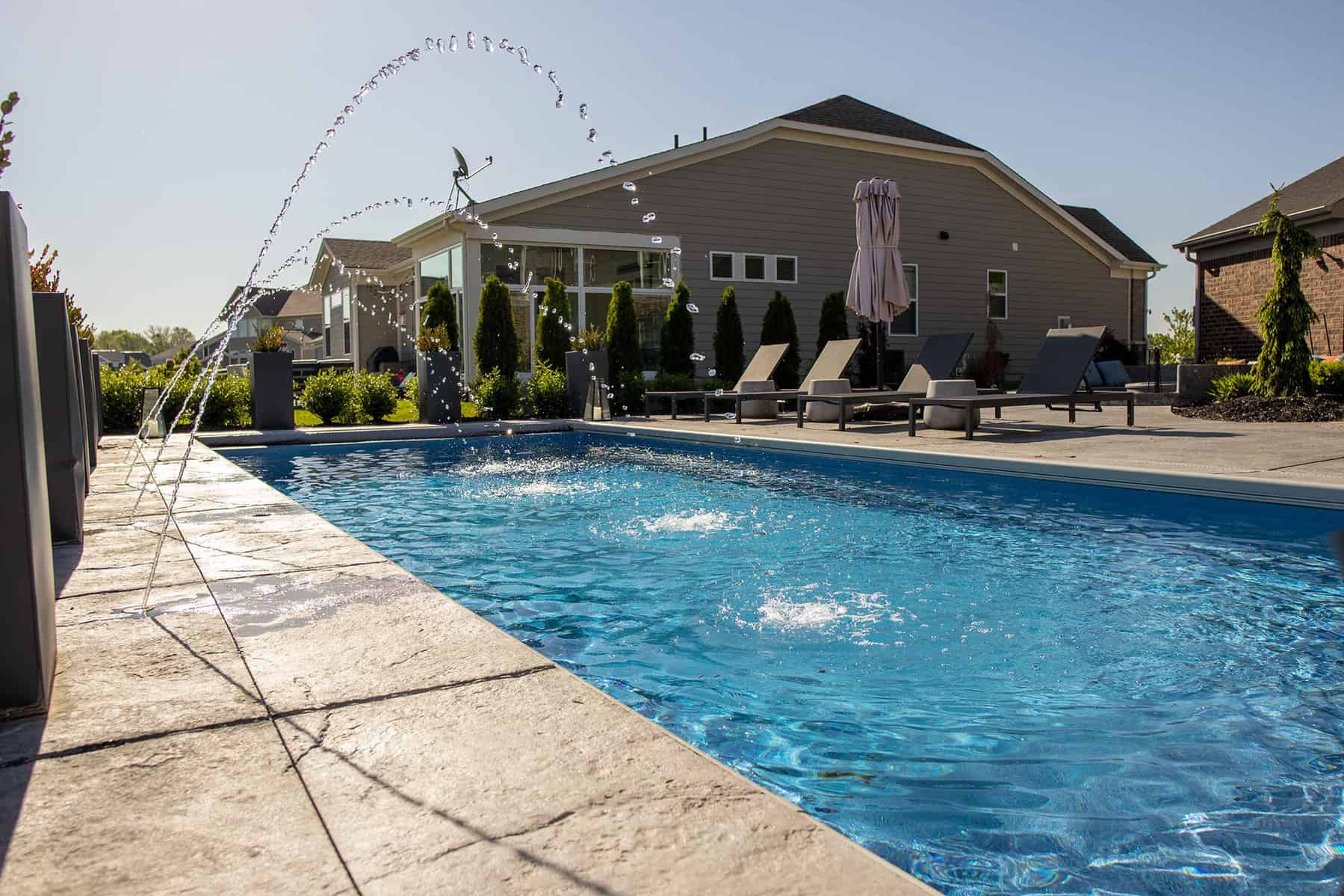
fiberglass pools
Ready to build a fiberglass pool in central Indiana? Perma Pools is here to help! Fiberglass pools are quick to install and typically run up to 16 feet wide and 40 feet long.
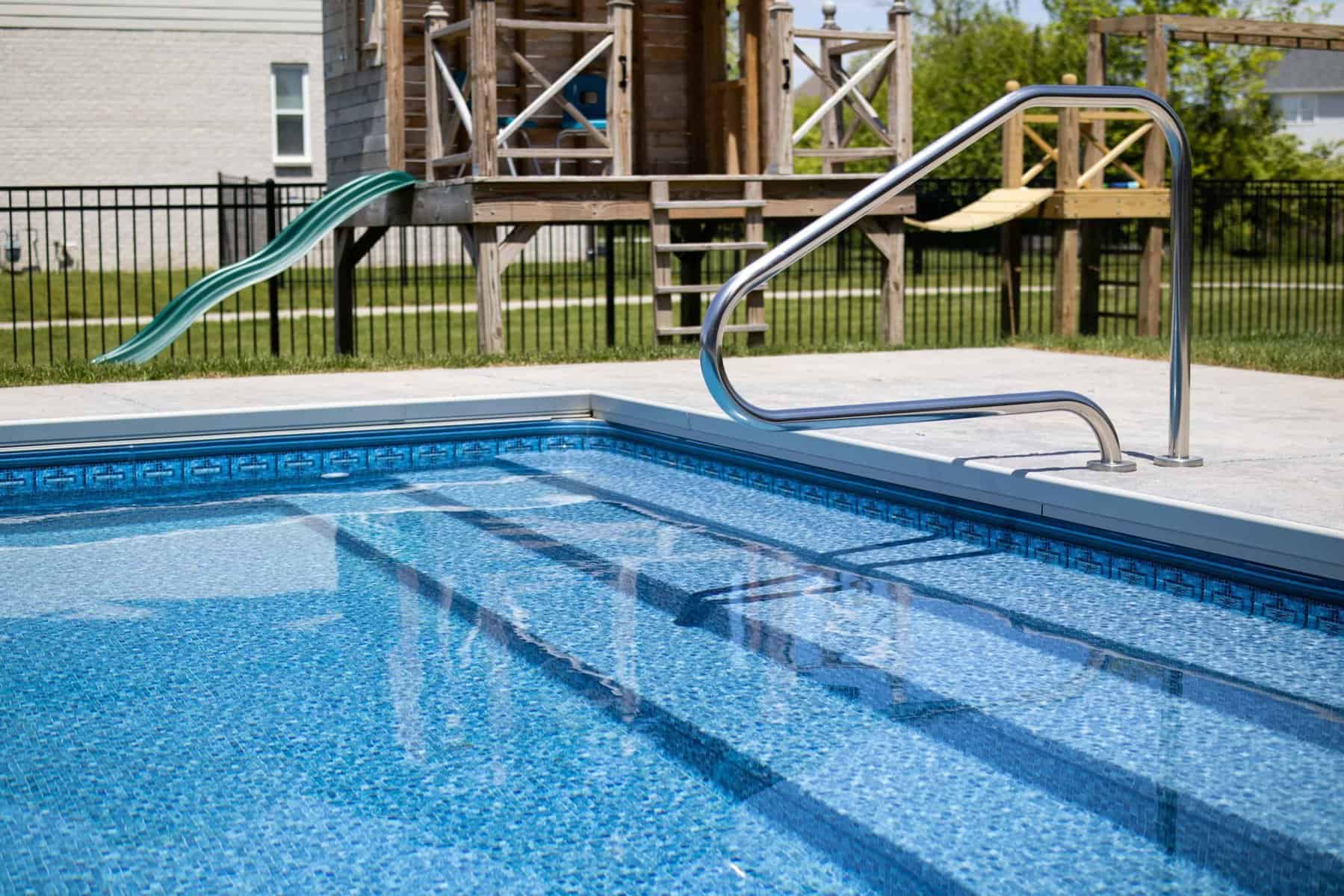
vinyl liner pools
Perma Pools is ready to help you save money on your brand new pool! Our vinyl liner pools are a great budget-friendly option and are highly customizable.

Gunite pools
A gunite pool in Indiana gives you maximum customization, durability, and luxury, with very good long-term performance in cold climates!
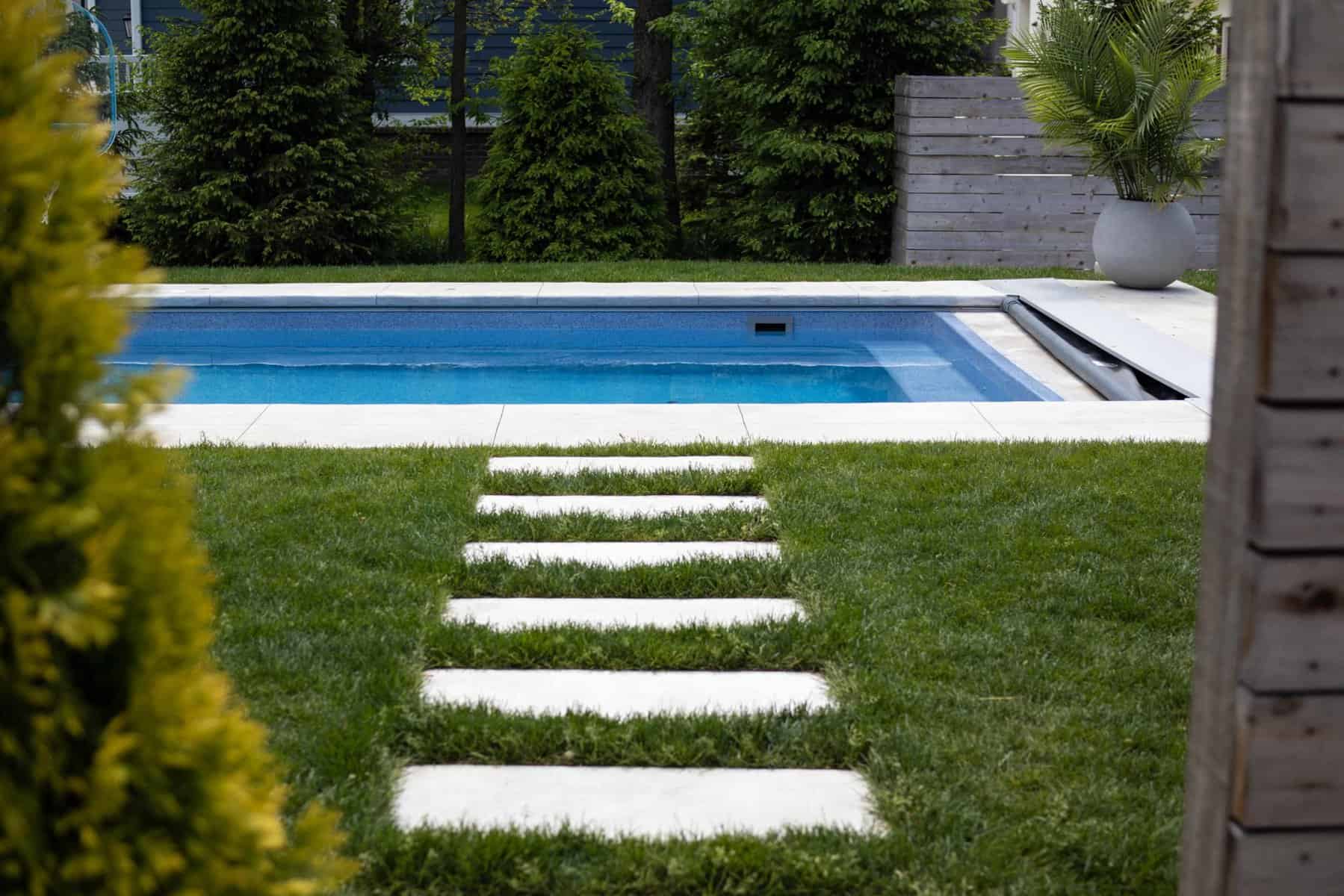
Pool services
Our certified pool technicians are ready to bring your pool to life! We work year-round to service your pool and keep it well maintained for years of fun!
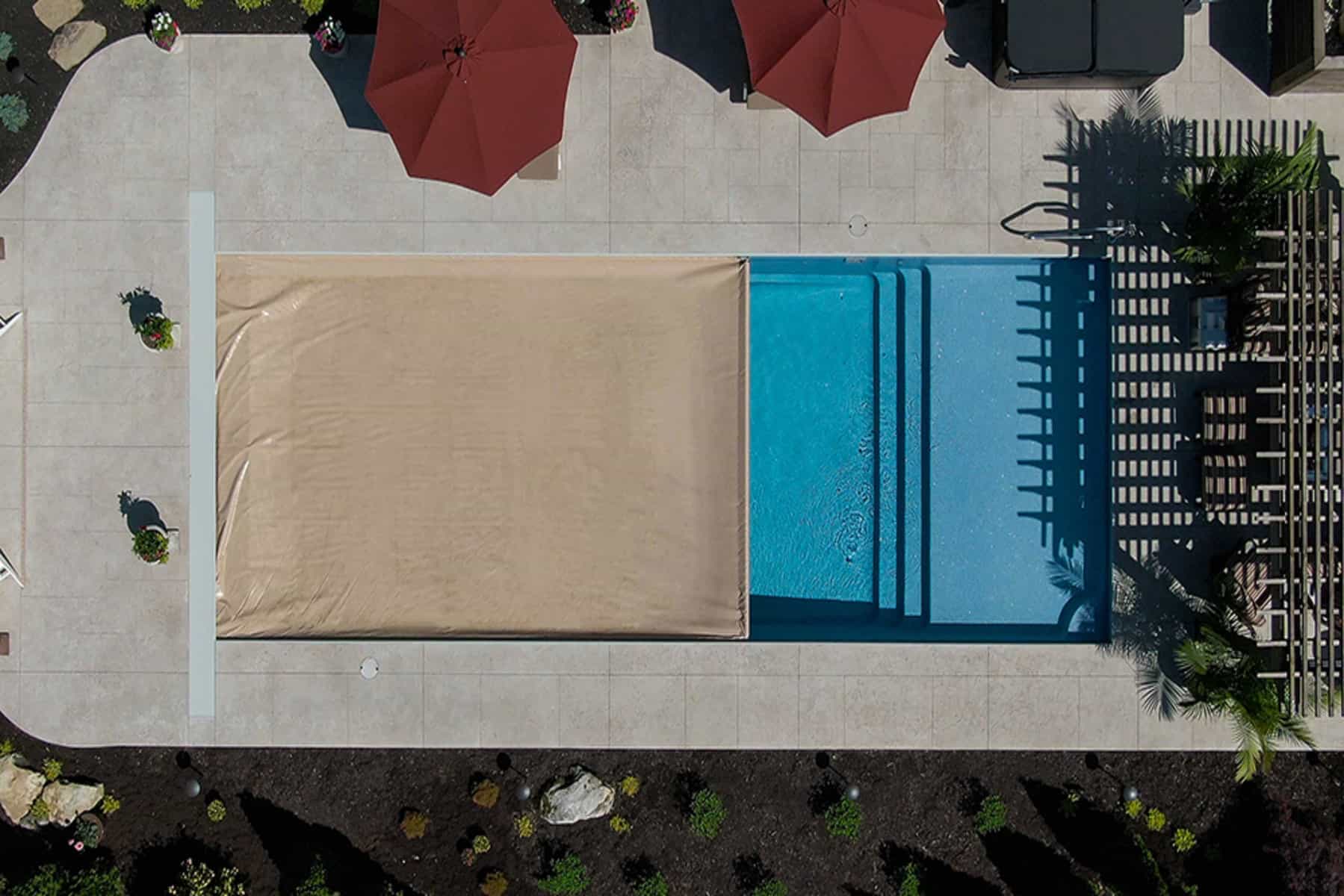
Automatic Pool Covers
Perma Cover Services offers sales and installation of fully automatic deck mounted and recessed retro automatic pool cover systems.

