

Swimming Pool Insurance in Indiana: What Homeowners Need to Know
You’re about to build a pool or you already have one, and you’re wondering: how much is this going to cost me in insurance? Or worse—you just heard about a neighbor’s incident at their pool and you’re suddenly worried about liability exposure.
These are smart concerns. Pools increase your homeowner’s insurance costs, they create liability exposure, and understanding your coverage is critical to protecting your family and your assets. After building over 4,000 pools across Indianapolis, Carmel, Fishers, and Central Indiana for 37 years, we’ve helped thousands of families navigate pool insurance questions. Here’s what you need to know—the real costs, what’s typically covered, how to reduce premiums, and what happens if something goes wrong.

How Pools Affect Your Homeowners Insurance
Adding a pool to your Indianapolis property increases your homeowners insurance costs. This isn’t optional or negotiable—insurers assess pools as higher risk because they create liability exposure.
The typical increase runs $50 to $200 annually depending on several factors. Insurance companies consider pool size, depth, whether you have a fence or automatic cover, your location, your age, your claims history, and whether you supervise swimmers.
A small, well-maintained pool with a fence and automatic cover in a low-risk neighborhood might add only $50 to $75 per year. A large pool without barriers in a densely populated area could add $150 to $200 or more.
This isn’t devastating to most Indianapolis homeowners—$100 annually adds roughly $8 monthly to your insurance bill. But it’s a real cost that factors into total pool ownership expenses.
What’s Covered Under Standard Homeowners Policies
Your homeowners insurance provides some pool-related coverage, but understanding the limits matters.
Standard homeowner’s policies typically cover damage to pool structures from covered perils—lightning strikes, fallen trees, fires, and similar events. If a storm knocks a tree into your pool structure causing damage, your homeowners policy helps cover repair costs (minus your deductible).
Coverage typically extends to pool equipment—pumps, filters, heaters—if damage results from covered events. Accidental damage during normal use usually isn’t covered.
Liability coverage is critical. If someone is injured at your pool and sues you, your homeowners liability coverage helps defend you and pays damages (up to your policy limits). This is where pools create real exposure because serious injuries can result in substantial lawsuits.
Most homeowners policies provide $100,000 to $300,000 in liability coverage. For a pool, this might not be enough if someone suffers a catastrophic injury. This is where umbrella policies become important—we’ll discuss that shortly.
What’s Typically NOT Covered
Understanding exclusions prevents surprises when you need coverage.
Pools aren’t covered for normal wear and tear, maintenance failures, or poor water chemistry issues. If your liner deteriorates normally and needs replacement, insurance won’t pay for it. If algae takes over because you didn’t maintain proper chemical balance, that’s on you.
Damage from improper maintenance isn’t covered. If your equipment fails because you didn’t service it properly and causes water damage to your home, insurance might deny the claim.
Intentional damage or criminal activity isn’t covered. If someone deliberately damages your pool, your insurance likely won’t pay.
Injuries from horseplay or non-supervision often result in claim denials. If someone drowns while unsupervised and their family sues, insurers might argue negligent supervision and deny liability coverage. This is why documentation of safety measures matters.
Safety Features That Reduce Insurance Premiums
Insurance companies recognize that safety features reduce injury risk, which reduces claims. They reward homeowners for installing protective measures.
An automatic pool cover can reduce your annual premium by $20 to $50 because it provides barrier protection and demonstrates safety consciousness. Many insurance companies specifically ask whether you have an automatic cover because it’s recognized as superior safety.
Fencing with self-closing, self-latching gates reduces premiums. The cost of the fence may be higher than the insurance savings, but the total package—fence plus lower insurance—makes sense for liability management.
CPR certification for household members demonstrates safety preparedness. Some insurers offer small discounts or premium reductions for households where adults are CPR-certified.
Alarm systems that monitor pool access provide additional safety and can reduce premiums modestly.
Clear safety rules and documented supervision practices help if claims arise. Some insurers ask about your household pool rules and supervision protocols.
Indiana Liability Considerations Specific to Pool Ownership
Indiana law holds property owners liable for injuries on their property under a legal concept called “premises liability.” Pool owners have heightened liability because pools are attractive to children and create obvious injury risks.
Indiana recognizes automatic pool covers as equivalent to fencing for barrier requirements. Insurance companies take this seriously—having an automatic cover demonstrates you’ve met legal safety standards and reduces your liability exposure.
Indiana recognizes “attractive nuisance” doctrine, meaning property owners can be liable if an unsupervised child trespasses and is injured by something on the property like a pool. This is why barrier protection (fences or automatic covers) is so critical—it demonstrates you took steps to prevent unauthorized access.
If someone is injured at your pool due to your negligence, your liability exposure is significant. A drowning or serious head injury could result in a million-dollar-plus lawsuit. This is why adequate insurance is essential.
Understanding Liability Limits and Umbrella Policies
Your homeowners policy typically includes liability coverage—usually $100,000 to $300,000 depending on your policy. For a pool, this might not be sufficient if someone suffers a catastrophic injury.
If you’re sued for $500,000 and your liability coverage is $300,000, you’re personally responsible for the $200,000 difference. This could mean losing savings, retirement accounts, and future wages.
An umbrella policy provides additional liability coverage on top of your homeowners policy. Umbrella policies are inexpensive—typically $100 to $200 annually for $1 million in additional coverage. For pool owners, umbrella coverage is smart risk management.
Indianapolis professionals—doctors, lawyers, business owners—commonly carry umbrella policies anyway. If you already have one, verify it covers pool liability. If you don’t have umbrella coverage and own a pool, get quotes from your insurance agent.
An umbrella policy doesn’t cover intentional acts or criminal activity, but it covers legitimate liability claims where someone is injured and sues you.
Pool Insurance Claims: What Actually Happens
Understanding the claims process reduces anxiety about coverage.
If someone is injured at your pool, first priority is emergency medical care. Call 911 if needed. Document the incident thoroughly—photos, witness statements, medical records. Report the incident to your insurance company promptly (usually within 30 days).
Your insurance company will assign a claims adjuster who investigates. The adjuster reviews your safety measures, whether you had liability waivers signed (helpful but not legally binding), and whether you followed reasonable precautions.
The insurance company will likely hire defense attorneys if there’s a lawsuit. You’re covered for legal defense costs under your liability coverage. You’re not paying lawyers out of pocket.
The insurance company may settle the claim, or if the injured party sues, the case goes to court. Throughout this process, your insurance company manages the claim and pays defense and settlement costs (up to your policy limits).
If the claim exceeds your liability limits, that’s where umbrella coverage applies. If you don’t have umbrella coverage and liability exceeds your policy limit, you’re personally responsible for the difference.
Reducing Your Insurance Costs
Beyond safety features, several strategies reduce pool insurance premiums.
Maintain excellent homeowners insurance history. Multiple claims or ticket violations increase all your premiums, including pool coverage. Safe driving record, no homeowner claims, and good credit demonstrate low risk to insurers.
Bundle your homeowners and auto insurance with the same company. Most insurers offer discounts for bundling, which reduces your overall insurance costs including pool coverage.
Increase your deductible. If you can afford a higher deductible ($1,000 instead of $500), insurers reduce your premiums. The tradeoff is you pay more out-of-pocket if a claim occurs, but for many pool owners, this makes sense.
Install additional safety features. Motion-sensor alarms, camera monitoring, and professional CPR certification can all generate modest premium reductions.
Compare annual rates. Insurance companies adjust rates yearly. What you pay this year might be different next year even without changes to your pool. Get quotes periodically to ensure you’re getting competitive pricing.
Promoting Automatic Covers as Insurance Value-Adds
Many Indianapolis homeowners find automatic covers reduce insurance costs while providing superior safety. An automatic cover might cost $8,000 to $15,000, but it can reduce premiums by $20 to $50 annually while providing unmatched safety protection and operational benefits.
Over 20 years, premium savings won’t recover the entire cover cost. But combined with fence elimination, heat retention, chemical reduction, and safety benefits, automatic covers make strong financial and practical sense. And from an insurance perspective, automatic covers demonstrate to your carrier that you’re a responsible pool owner invested in safety.
If you’re building a new pool, adding an automatic cover through Perma Pool Cover Services can be negotiated as part of the overall project. If you have an existing pool and liability concerns are high, automatic cover installation might be worth the investment just for the insurance perspective combined with the operational benefits.
Making Informed Insurance Decisions
Before building a pool, contact your insurance agent and get a quote showing the insurance impact. This is part of your total cost analysis—factor insurance into your budget planning.
If you have an existing pool, review your coverage annually. Verify you have adequate liability coverage. Consider whether umbrella coverage makes sense for your situation. Ask about safety feature discounts and whether your current safety measures qualify you for lower premiums.
Pools create liability exposure—that’s just reality. But proper insurance, good safety practices, and risk management keep that exposure manageable. The goal is enjoying your pool safely while protecting your family and assets.
If you’re considering a pool and have insurance questions, give us a call at 317-782-9956. We’ve discussed insurance implications with thousands of Indianapolis families and can help you think through the insurance piece of your pool decision. And if automatic covers interest you—both for insurance benefits and superior safety and operation—Perma Pool Cover Services can show you options and pricing for your specific pool.
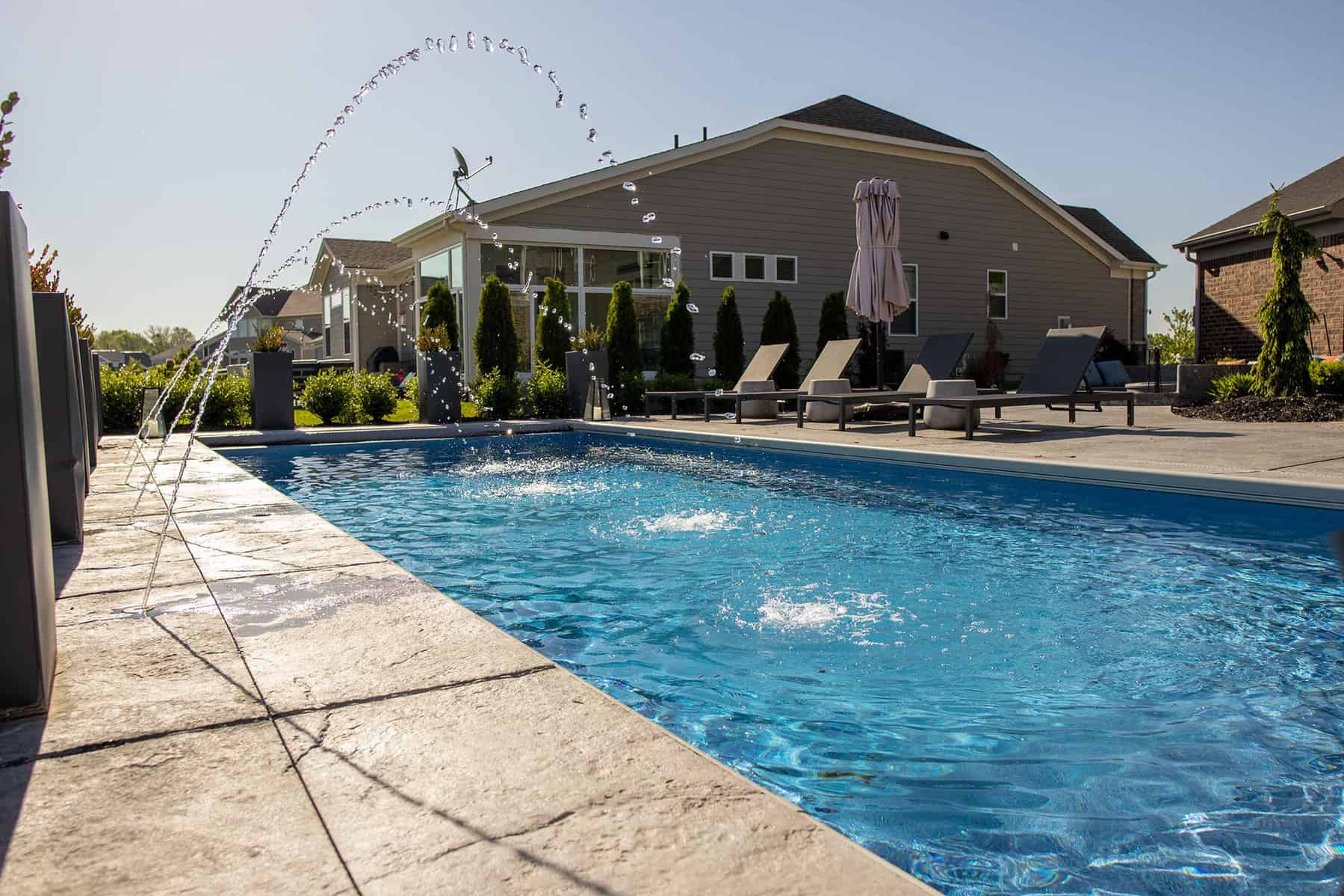
fiberglass pools
Ready to build a fiberglass pool in central Indiana? Perma Pools is here to help! Fiberglass pools are quick to install and typically run up to 16 feet wide and 40 feet long.
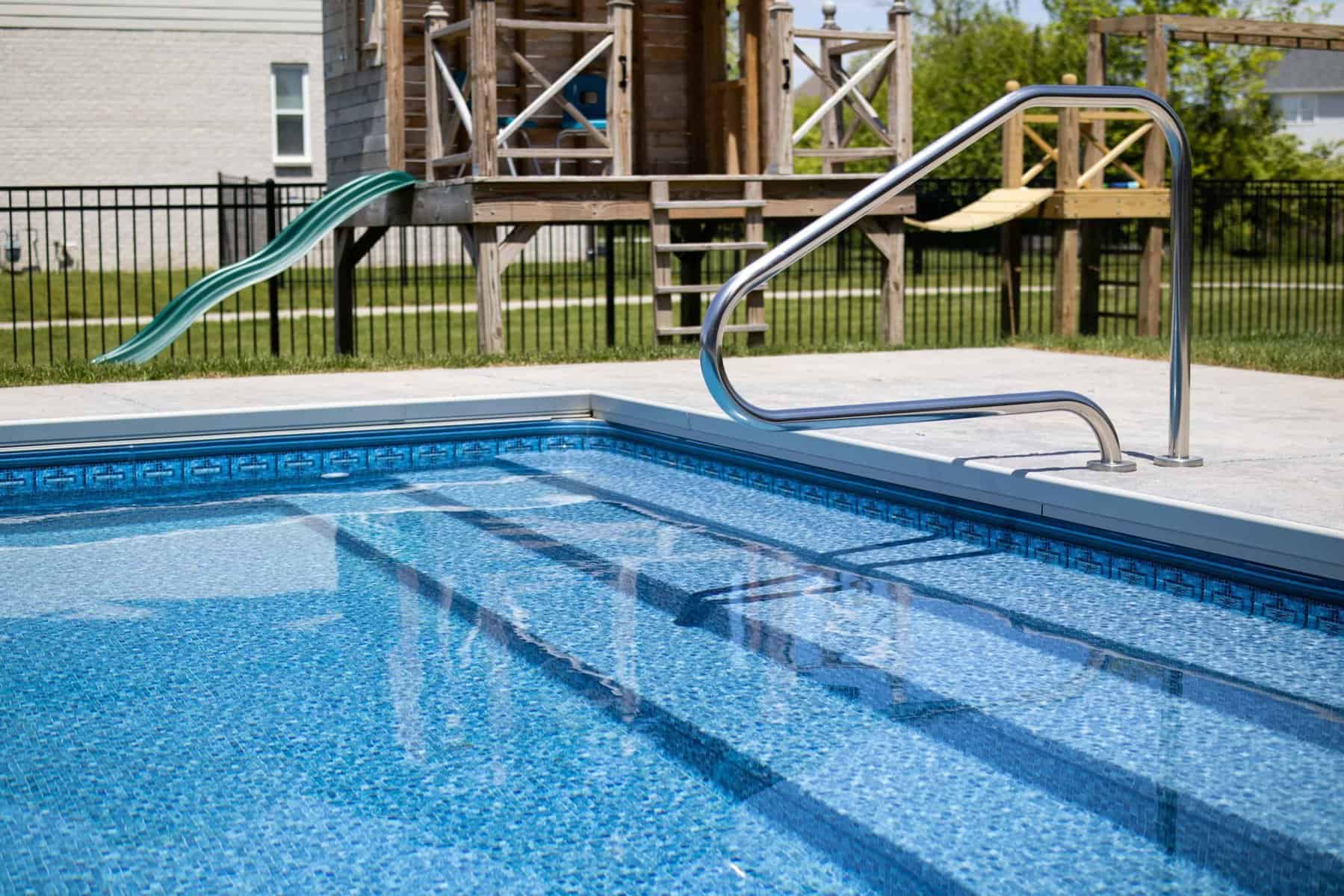
vinyl liner pools
Perma Pools is ready to help you save money on your brand new pool! Our vinyl liner pools are a great budget-friendly option and are highly customizable.

Gunite pools
A gunite pool in Indiana gives you maximum customization, durability, and luxury, with very good long-term performance in cold climates!

Pool services
Our certified pool technicians are ready to bring your pool to life! We work year-round to service your pool and keep it well maintained for years of fun!

Automatic Pool Covers
Perma Cover Services offers sales and installation of fully automatic deck mounted and recessed retro automatic pool cover systems.

