

Pool Drainage Problems in Indiana: How to Prevent Water Damage Around Your Inground Pool
Your backyard looks perfect for a pool. Nice flat area, plenty of sun, great view from the deck. But have you noticed where the water goes after a heavy rain?
That question might not seem exciting, but it’s one of the most important considerations when planning a pool in Central Indiana. Poor drainage planning is the silent pool killer—the issue that doesn’t show up until after installation, when fixing it costs thousands of dollars and involves tearing up your beautiful new deck.
After building over 4,000 pools across Indianapolis, Carmel, Fishers, and the rest of Central Indiana since 1987, we’ve seen what happens when drainage is done right and when it’s ignored. We’ve rescued homeowners from drainage disasters created by other builders, and we’ve helped families avoid problems before they start by planning properly from day one.
Pool drainage issues in Indiana aren’t just about inconvenience—they’re about protecting your investment. Poor drainage can cause pool heaving, deck cracking, liner damage, and structural problems that cost tens of thousands to repair. The frustrating part? These problems are completely preventable with proper planning.
Let’s talk about what makes drainage so challenging in Central Indiana, what can go wrong, and most importantly, how to get it right the first time.
Why Drainage is Such a Big Deal in Central Indiana
Indiana isn’t Florida. We don’t have sandy soil that drains like a sieve. We have clay—thick, heavy clay that holds water like a sponge and expands when it gets wet. Add in our weather patterns, and you’ve got a recipe for drainage challenges.
Central Indiana’s Unique Challenges:
Our spring storms dump serious rain in short periods. Three inches in an afternoon isn’t unusual. That water has to go somewhere, and if your pool and deck are in its path, you’ve got problems.
Our freeze-thaw cycles make everything worse. Water gets under your pool or deck, freezes, expands, and creates pressure that can heave your pool structure or crack your concrete. This happens every winter in Indiana—the question is whether your drainage system prevents water from getting there in the first place.
Our soil composition varies dramatically even within the same yard. You might have clay in one area and better-draining soil ten feet away. Understanding your specific site conditions is critical.
What’s at Stake:
Poor drainage around your Indianapolis pool can lead to:
- Pool heaving (the entire pool structure shifts upward)
- Cracked or sunken concrete decking
- Vinyl liner wrinkles or damage (for vinyl pools)
- Erosion around pool perimeter
- Standing water that breeds mosquitoes
- Damage to pool equipment
- Compromised structural integrity
These aren’t minor cosmetic issues. We’re talking about problems that can require excavating around your pool, releveling structures, or in worst cases, completely rebuilding sections of your pool. That’s $10,000, $20,000, or more in repairs—all preventable with proper planning.
Understanding Water Movement in Your Yard
Before you can solve drainage problems, you need to understand how water moves through your property.
Water always seeks the lowest point. That’s not a theory—it’s physics. Your job is to make sure the lowest point isn’t underneath your pool or immediately around it.
Surface Water: This is water from rain, downspouts, and runoff from neighboring properties. It flows across the ground surface following the natural slope of your yard. In Central Indiana, spring rains and heavy summer storms create a lot of surface water that needs somewhere to go.
Subsurface Water: This is groundwater that exists below the soil surface. In some Indianapolis areas, the water table rises seasonally, especially in spring when ground is saturated. This water can create pressure under your pool even when the surface looks dry.
The Critical Question: Where does water naturally flow in your yard? Stand in your backyard during a heavy rain and watch. Where do puddles form? Where does water collect? Which direction does it flow? These observations tell you everything about your natural drainage patterns.
Common Drainage Mistakes We See in Central Indiana
After building thousands of pools, we’ve seen every drainage mistake imaginable. Here are the most common ones:
Mistake #1: Installing the Pool at the Lowest Point Seems obvious, right? Yet we regularly see pools installed in the low spot of the yard because “that’s where it looks best.” Water naturally collects there, creating constant drainage battles.
Mistake #2: Ignoring Downspouts and Roof Runoff Your home’s roof sheds massive amounts of water during storms. If downspouts dump near your pool area without proper drainage, you’re fighting a losing battle. Most Indianapolis homeowners don’t realize how much water comes off their roof—it’s measured in thousands of gallons during heavy rain.
Mistake #3: Inadequate Deck Slope Your concrete deck should slope away from the pool at approximately 1/4 inch per foot. Too flat, and water puddles. Too steep, and it’s uncomfortable to walk on. Getting this right requires experienced crews and proper planning.
Mistake #4: No Subsurface Drainage System Relying only on surface drainage leaves you vulnerable to groundwater issues. Central Indiana’s clay soil and seasonal water table fluctuations mean you need subsurface drainage protection—especially in areas like Fishers where developments often sit near wetlands or drainage easements.
Mistake #5: Poor Backfill Compaction After your pool is set, the space around it gets backfilled. If this backfill isn’t properly compacted, it settles unevenly, creating low spots where water collects and eventually finds its way under your pool or deck.
The Right Way to Handle Pool Drainage in Indiana
Proper drainage planning starts before excavation and continues through every phase of construction. Here’s how it should work:
Step 1: Site Evaluation and Planning
This happens during your design consultation. An experienced builder walks your property and assesses:
- Natural slope and drainage patterns
- Soil conditions and composition
- Existing drainage issues or problem areas
- Location of downspouts and roof runoff
- Underground utilities and easements
- Neighbor drainage that might affect your property
This isn’t a five-minute walkthrough. We’re analyzing how water moves through your yard in different conditions and planning your pool location and elevation to work with those patterns, not against them.
Pool Elevation Decisions: Your pool elevation—how high or low it sits relative to your yard—is one of the most critical decisions in the entire project. Set it wrong, and you’ll fight drainage problems forever. Set it right, and water naturally flows away from your pool.
Most Central Indiana pools benefit from being slightly elevated above the surrounding yard. This lets water drain away naturally. But “slightly elevated” has to be balanced with aesthetics and functionality—you don’t want to climb a mountain to reach your pool.
Step 2: Surface Drainage Systems
Proper Deck Slope: We ensure your concrete deck slopes away from the pool at the correct grade. Water hitting your deck should flow away from the pool, not toward it or puddle on the surface.
Swales and Grading: Swales are shallow channels that direct water flow. We often create swales that channel water from around your pool area to a better drainage location in your yard. This might mean reshaping parts of your yard to create positive drainage.
Downspout Management: We address roof drainage by extending downspouts away from the pool area or tying them into underground drainage that carries water to an appropriate discharge point. In Indianapolis pool water problems, roof runoff is often the culprit that gets overlooked.
Step 3: Subsurface Drainage Systems
This is where proper pool elevation planning really pays off. Even with perfect surface drainage, Central Indiana’s soil conditions mean you need subsurface protection.
Culvert System: A culvert is basically a large vertical pipe installed at the deep end of your pool, set deeper than your pool’s lowest point. It acts as a collection point for any groundwater that might accumulate under or around your pool.
The culvert extends from below the pool floor up to deck level. When groundwater collects, it drains into the culvert where you can monitor and pump it out as needed. This is critical in areas with high water tables or poor-draining soil.
Perimeter Drainage Pipes: These pipes run around the outside perimeter of your pool structure, collecting water and directing it to the culvert. Think of it as insurance—if water gets past your surface drainage systems, the perimeter pipes catch it before it causes problems.
Proper Installation: These systems only work if installed correctly. The pipes must be sloped properly, surrounded by appropriate gravel, and connected correctly to the culvert. Shortcuts here create false security—you think you have drainage protection, but it doesn’t actually work when you need it.
Step 4: Monitoring and Maintenance
Even with perfect systems, you need to stay vigilant, especially during Indiana’s spring thaw and heavy rain seasons.
Culvert Monitoring: Check your culvert a few times per year, especially after heavy rains or spring thaw. If it’s regularly filling with water (more than halfway full), drop a sump pump in and run it until it stays dry.
Some homeowners with persistent groundwater issues install a permanent pump system in the culvert with a float switch. The pump automatically kicks on when water reaches a certain level, then shuts off when the culvert is empty. This provides peace of mind if you travel or have a yard where groundwater is an ongoing issue.
Surface Drainage Maintenance: Keep gutters clean so downspouts don’t overflow near your pool. Maintain the slope of your yard—sometimes settling or landscaping changes can alter drainage patterns. Address any new pooling or erosion issues quickly before they become bigger problems.

Special Considerations for Different Central Indiana Areas
Indianapolis East Side: Generally flatter terrain with clay soil. Drainage planning is critical here because there’s less natural slope to work with. Culvert systems are especially important.
Carmel and Fishers: Many newer developments with detention ponds and drainage easements. You need to understand how your lot relates to the overall neighborhood drainage plan. Some Fishers lots have high water tables due to proximity to wetlands.
Westfield and Zionsville: More varied topography, which can be both good (natural slope helps drainage) and challenging (building on slopes requires careful grading). Older Zionsville properties may have established trees with root systems that affect drainage.
Southern Indianapolis Suburbs: Similar challenges to east side—predominantly flat with clay soil. Brown County influence brings more varied terrain as you head south, but within Marion County proper, assume you’re dealing with drainage challenges.
Red Flags: Signs Your Pool Has Drainage Problems
If you’re an existing pool owner, watch for these warning signs of drainage issues:
- Standing water around pool perimeter after rain
- Wet spots that don’t dry out even days after rain
- Cracks in concrete deck, especially if they’re widening
- Pool appears to have shifted or heaved
- Vinyl liner has developed wrinkles (for vinyl pools)
- Equipment pad is sinking or tilting
- Erosion or washout areas near pool
- Constantly muddy areas around pool
- Your culvert is always full of water
These problems don’t fix themselves—they get worse. If you’re experiencing preventing pool damage Indiana issues, it’s time to call in professionals who can assess the situation and develop a remediation plan.
The Cost of Getting It Right vs. Getting It Wrong
Let’s talk numbers because this is ultimately about protecting your investment.
Proper Drainage Planning (Part of Installation): Good builders include proper drainage planning in their installation process. The culvert system, perimeter pipes, proper grading—these are built into the project. You might add $1,500-$3,000 to include comprehensive drainage systems beyond the basics, depending on your yard’s challenges.
Fixing Drainage Problems After Installation: Excavating around an existing pool to install drainage systems: $5,000-$10,000. Releveling a pool that has heaved: $8,000-$15,000. Replacing a deck damaged by poor drainage: $10,000-$20,000. Complete pool renovation due to drainage failure: $25,000-$50,000+.
See the math? Proper planning costs a fraction of repairs. And here’s the reality: once your pool location is excavated and the elevation for your patio and pool are set, it becomes very difficult and expensive to change. You get one shot to do this right.
How Perma Pools Approaches Drainage Planning
We’ve built pools in every type of Central Indiana yard imaginable—flat lots, sloped properties, high water table areas, yards with complicated drainage patterns. Every single project starts with drainage evaluation.
During your design consultation, we assess your property’s drainage characteristics. We identify challenges and develop solutions before we ever break ground. We explain our drainage plan so you understand how we’re protecting your investment.
Our installation process includes proper culvert systems, perimeter drainage when needed, correct deck slopes, and backfill compaction that prevents settling. We use best practices developed over thousands of installations to ensure your pool drains properly for decades.
We also educate you about monitoring and maintenance. We want you to understand your drainage systems so you can keep an eye on them over the years.
Get Your Drainage Right from the Start
If you’re planning a pool, drainage planning should be one of your top concerns—right up there with deciding between vinyl liner and fiberglass, choosing your pool size, and understanding costs.
The good news? With proper planning and experienced installation, drainage problems are completely preventable. You can have a beautiful pool that performs flawlessly year after year without fighting water issues.
Give us a call at 317-782-9956 to schedule a consultation. We’ll walk your property, assess your drainage situation, and explain exactly how we’ll protect your investment. We’ve built well over 4,000 pools in Central Indiana since 1987—we understand this soil, this weather, and these challenges better than anyone.
Don’t learn about drainage problems after your pool is installed. Let’s get it right the first time, so you’re swimming worry-free for decades to come.
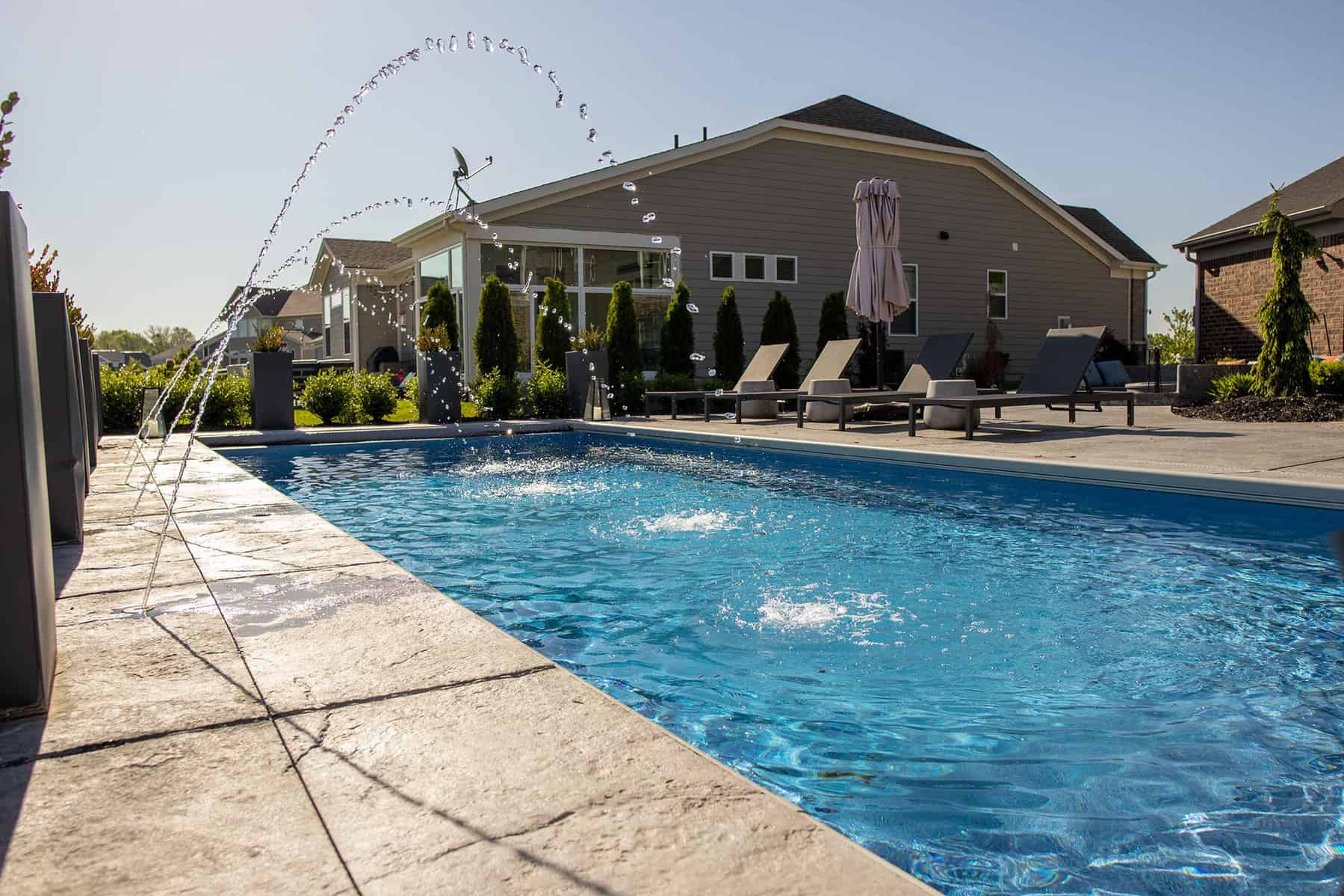
fiberglass pools
Ready to build a fiberglass pool in central Indiana? Perma Pools is here to help! Fiberglass pools are quick to install and typically run up to 16 feet wide and 40 feet long.
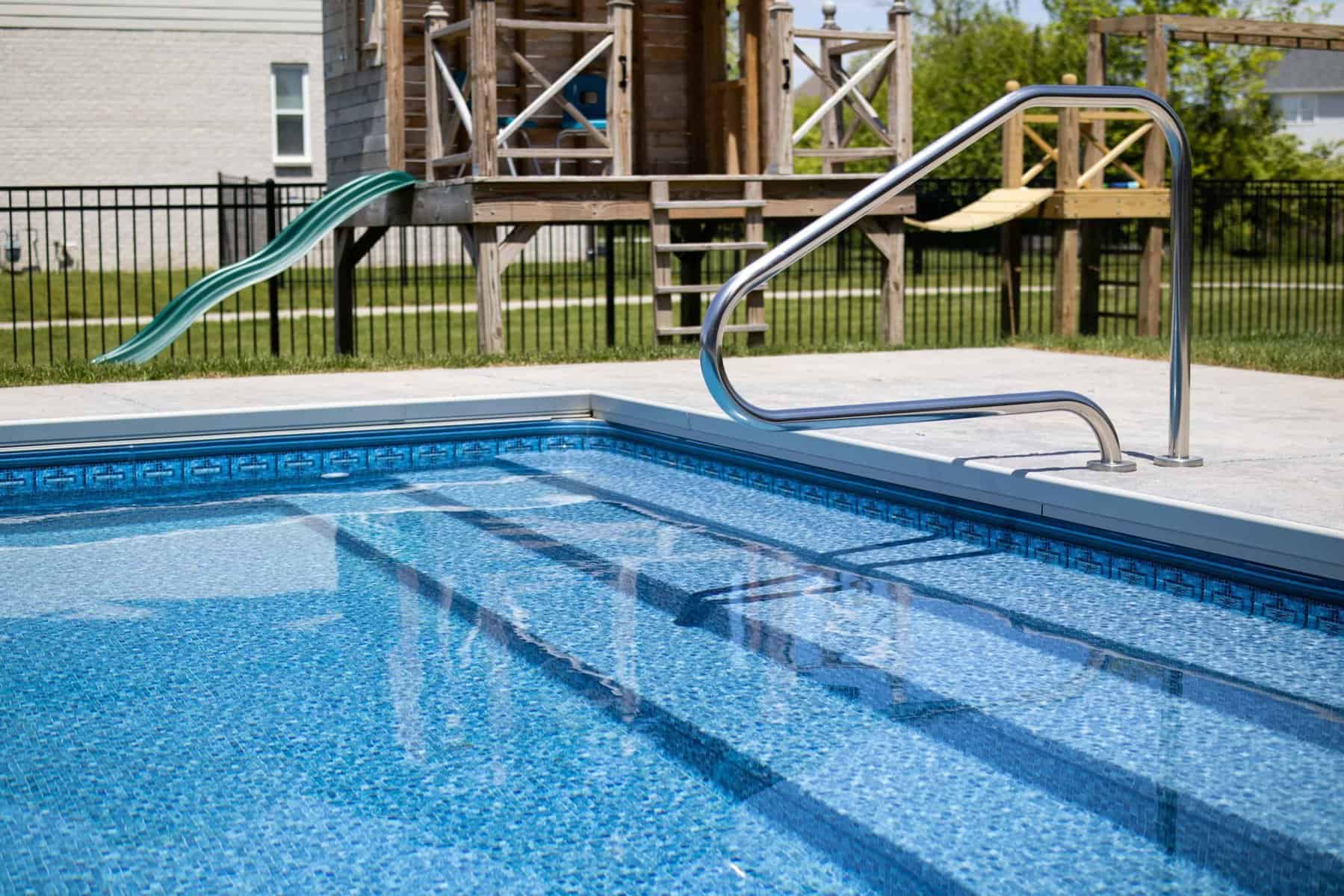
vinyl liner pools
Perma Pools is ready to help you save money on your brand new pool! Our vinyl liner pools are a great budget-friendly option and are highly customizable.

Gunite pools
A gunite pool in Indiana gives you maximum customization, durability, and luxury, with very good long-term performance in cold climates!
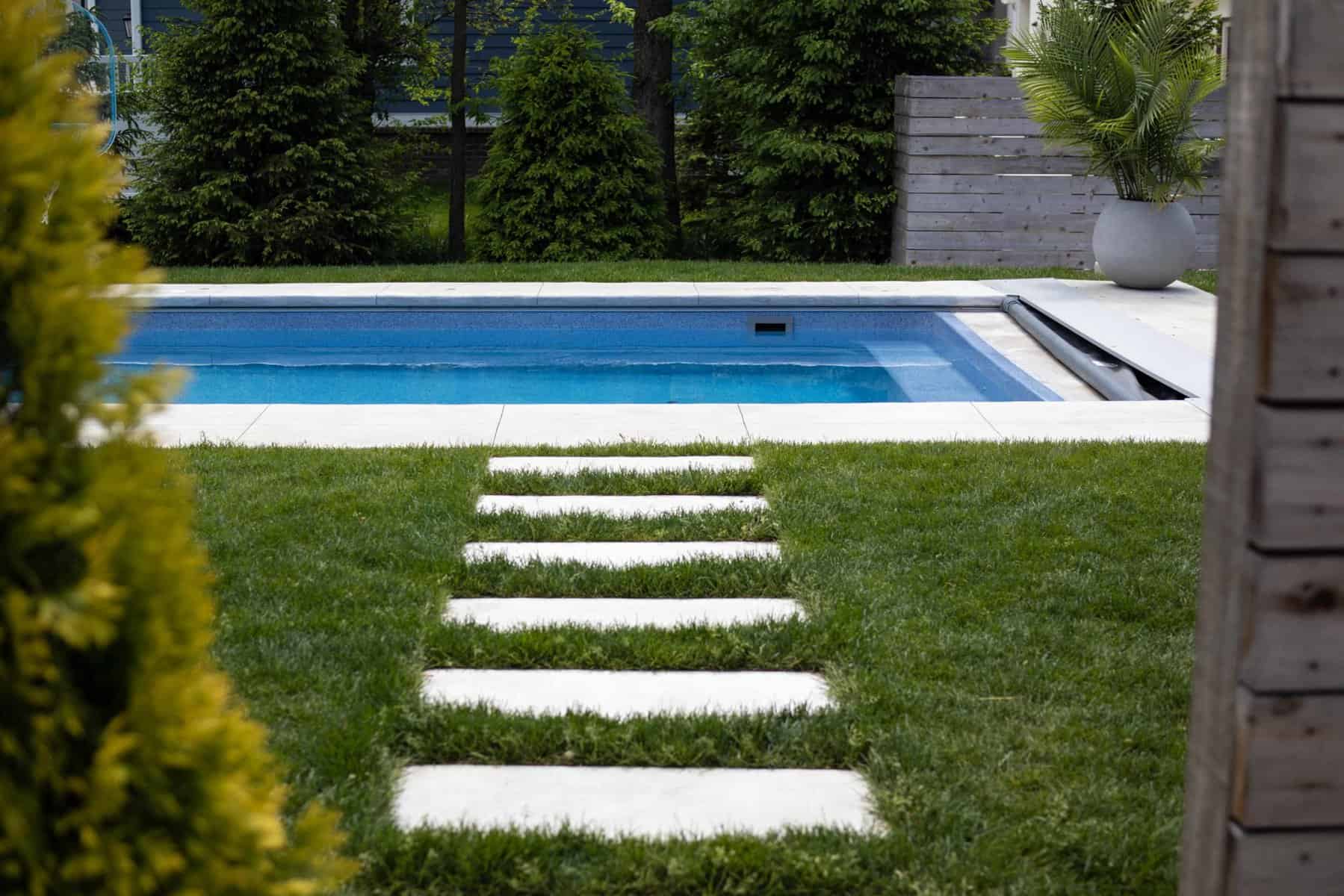
Pool services
Our certified pool technicians are ready to bring your pool to life! We work year-round to service your pool and keep it well maintained for years of fun!
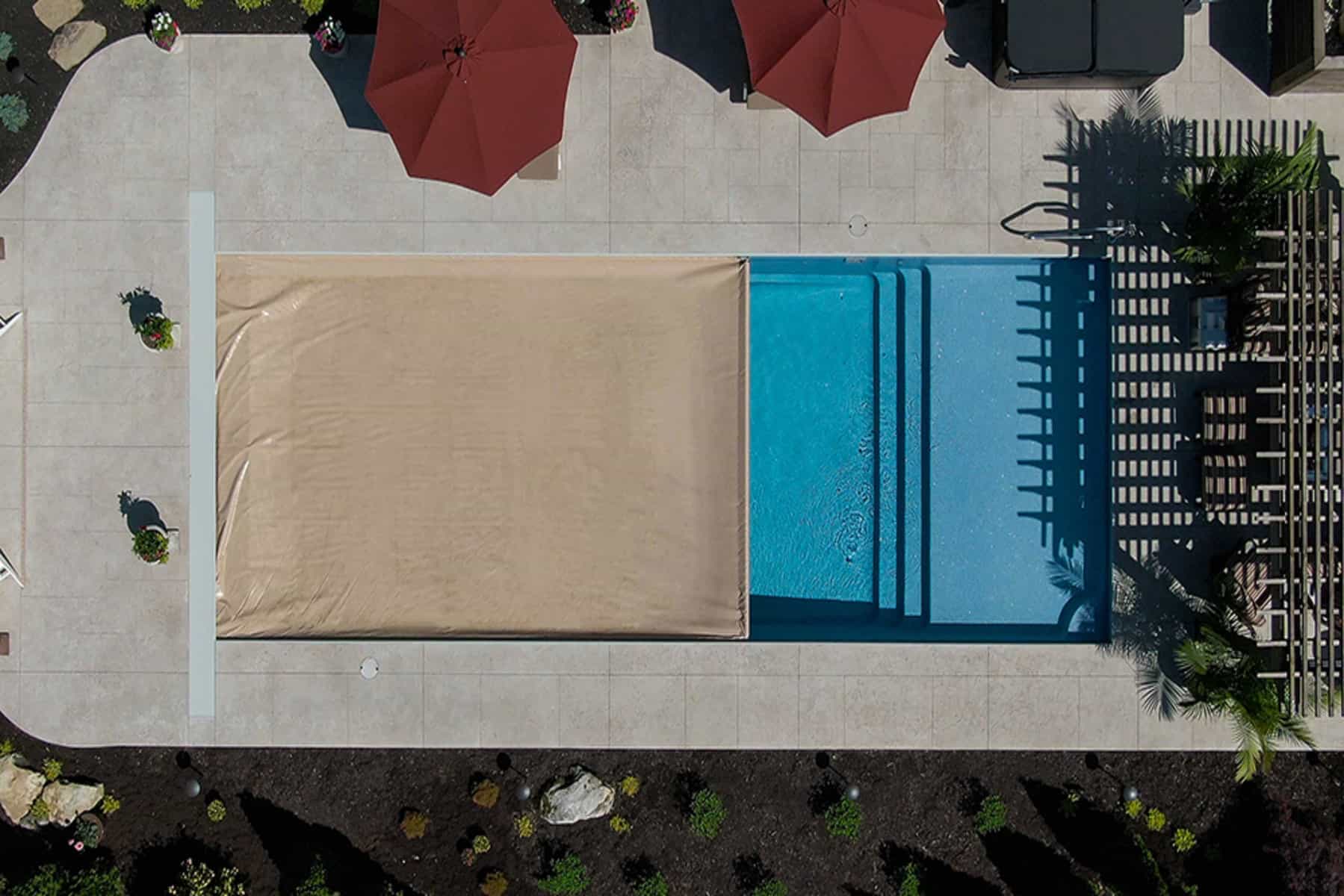
Automatic Pool Covers
Perma Cover Services offers sales and installation of fully automatic deck mounted and recessed retro automatic pool cover systems.

